

Al Barbarino
December 26, 2025
Paul Weiss PE Partner On The Evolution Of Sports Investing


5 min
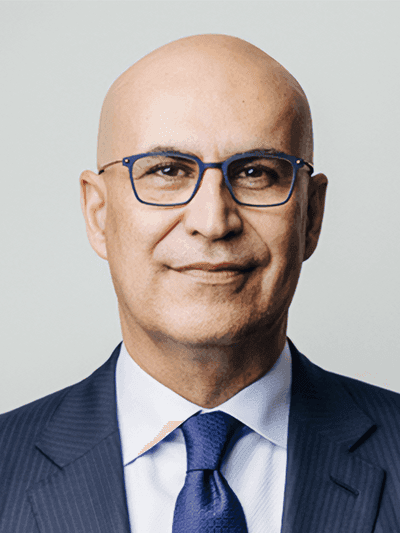
Image source: Unknown

AI-made summary
- Paul Weiss Rifkind Wharton & Garrison LLP has launched an official sports practice, consolidating its experience in representing leagues, individuals, and firms in sports-related transactions
- Partner Marco Masotti discussed the increasing role of private equity in U.S
- sports team ownership, driven by rising team valuations and media rights deals
- The firm advises on investments, litigation, and regulatory matters, noting growing interest in women's sports and potential future developments involving blockchain and retail investment in sports assets.
Marco V. Masotti On the heels of launching its official sports practice, Paul Weiss Rifkind Wharton & Garrison LLP partner Marco Masotti spoke with Law360 about the booming sports deals market, as the sector experiences a steady stream of new private investment.
Following Europe's lead, U.S. leagues have only begun allowing private equity into team ownership in recent years, with Major League Baseball leading the way in 2019, followed by the National Basketball Association in 2020 and the National Football League in 2024.
Masotti, who serves as global co-head of the firm's investment funds group, global head of private equity fundraising and deputy chair of the corporate department, discussed how these dynamics are changing the game.
He said the firm has experience representing leagues, individuals and firms, from the NFL and FIFA; to Marc Lasry of hedge fund Avenue Capital Group, former co-owner of the Milwaukee Bucks; to Clearlake Capital on its investments in the Chelsea football club.
The new sports practice wraps that all together, also counseling on a range of other sports-related matters, including litigation and investigations.
"This was our effort to organize a practice group organized around an industry where we have a lot of expertise and where we're seeing a lot of activity," Masotti said.
He shared insights on how the firm is adapting to the surge in capital, how media rights deals are reshaping valuations, why women's sports represent a "new frontier," and how blockchain and retail investment access could transform the ownership model in years ahead. This interview has been edited for length and clarity.
U.S. leagues have recently begun letting private equity invest in team ownership. How have those rules shaped the way deals come together, and perhaps even how your sports group came together?
Private equity firms go where the opportunities exist to make a return for their investors. Given the rising valuations of sports teams, the growing interest in alternative media, and rising ticket sales and sponsorships, it's an area where you see growing interest. Private equity firms are raising more and more money around it.
That's happening as more sports leagues around the world let private equity firms invest in them. The investment can involve individuals, teams, leagues, and the businesses around sports. But there's clearly a lot of interest right now from private equity firms, given they see it as an opportunity to make returns for their investors.
Before institutional capital entered the picture, was the firm already doing sports deals? And how has this influx of private capital changed the types of transactions you advise on?
We did sports-related investments before private equity was involved. We've represented the NFL for years, individual investors and corporates investing around sports. Being a New York law firm, you get to represent individuals with significant resources who saw sports teams as they did a piece of artwork.
Private equity firms are just a different type of investor, and the scale is larger. There's so much more capital floating around the industry. Some owners see it as additional liquidity they can use to grow their sports assets amid increased competition.
Private equity funds also have limited lives — typically 10 to 15 years — so at some point they need to realize their investments. In a sports asset, unless you're investing in financings around sports, you make your return by generating liquidity for your investors through a sale or transfer.
Typical private equity investors have to realize their investments, and we could see a secondary market emerge as these interests get traded, creating even more activity.
Are any teams reluctant to bring in private equity investors, perhaps wanting to preserve traditional ownership structures?
Some will. Sports assets and teams are human-capital-intensive businesses, highly connected to a fan base. They're different from your run-of-the-mill private company.
It's important that the private equity firm, which is primarily a financial investor, is a good partner for the team. And it's important that the partner understands the industry and has some history in it.
But sports teams aren't always run as professionally as they can be, and private equity can play an enormously positive role in getting the business to the next level and helping owners make good decisions.
Where do media-rights deals fit into the picture, especially given how massive some of those valuations have become?
Media rights and sponsorship deals drive the entire industry. In terms of clients looking at opportunities, media rights certainly impact valuation and activity. Their role varies by league, but sports is really all about media and entertainment. Our IP lawyers often get involved in negotiating those deals, so there's a firm-wide representation aspect.
How would you characterize the state of women's sports on this investment curve?
We follow where our clients take us. For investors in sports, they're saying that women's sports is the new frontier. When you look at the eyeballs now watching women's basketball and soccer, clients see significant opportunity to invest in something at a low valuation, where there's likely to be substantial growth.
From a regulatory standpoint, what are you watching as this influx of capital continues?
The leagues pretty much regulate themselves in terms of how teams are run and what types of investors can come in. So there's a fair amount of regulation at the league level.
But private equity firms are now seeing opportunities in the retail market, so over time, smaller, sophisticated investors could get a chance — as fans and investors — to invest in their favorite teams.
That's where you could see regulation come into play, governing who goes into a fund that, in turn, invests in a team. The government is looking at how 401(k)s and other retail money invest in private assets, and that could extend to sports.
And then there's blockchain and crypto. Regulation is loosening now, but over time we'll have to watch how tokenization of rights and other developments intersect with sports.
Looking ahead, what do you anticipate for deal activity in the years to come?
We're not done yet. From what I see on the fundraising side, there's growing interest and liquidity, and that capital needs to find a home. Over the next few years, you'll see a significant amount of majority and minority investments in leagues, sports assets and businesses around sports.
Article Author
Al Barbarino
 The Sponsor