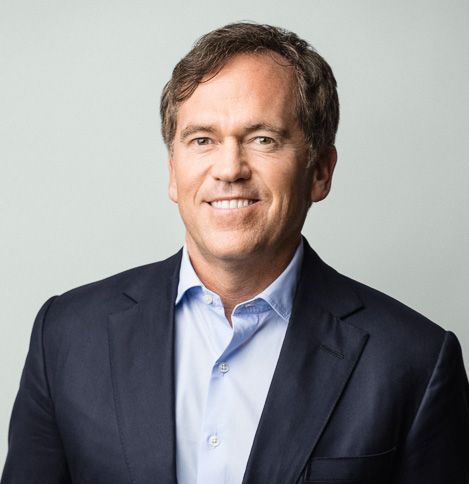
Paul, Weiss, Rifkind, Wharton & Garrison partner Angelo Bonvino’s promotion from M&A co-head to leader of the firm’s entire corporate department underscores the firm’s layered leadership approach in the practice and the extent to which big firms are building up their practice area leadership with multiple titles.
In moving into the role of corporate department head, Bonvino takes over for Scott Barshay, who is now Paul Weiss chairman, after Brad Karp stepped down from firm leadership on Feb. 4 amid pressure from disclosed emails between Karp and Jeffrey Epstein.
A source confirmed the move on Wednesday, noting that Bonvino’s M&A leadership role itself doesn’t need to be immediately backfilled, as Paul Weiss already has several other M&A co-heads who can pick up the slack.
Those M&A co-heads include Jim Langston, Jeff Marell and Krishna Veeraraghavan. Meanwhile, the firm has M&A “co-chairs,” including Roger Johnson in London; Matthew Abbott in New York; and Rob Kindler in New York, according to the firm’s website on Wednesday. And the firm just added Sean Wheeler in Houston as another M&A co-chair.
In all, Paul Weiss has at least seven M&A co-heads, chairs and co-chairs.
Bonvino, a member of firm management, also has support from Paul Weiss corporate department deputy chairs and co-chairs: Brian Kim; Marco Masotti; and Claudine Meredith-Goujon.
While Karp’s sudden move from the firmwide chair role was not planned and less than ideal, the firm’s corporate department and M&A leadership appeared to be prepared in succession planning.
Some firms are better than others in preparing for sudden practice leadership changes, noted Kent Zimmermann, law firm management consultant, speaking generally on industry trends.
One of the benefits of growing scale strategically is that many firms that have greater scale have more people to choose from.
“Some have an org chart and put alternate boxes for each role if they need to move quickly. Other firms are less forward-thinking and figure it out when they need to figure it out. There is room for many firms to be more proactive and strategic in advance to their approach to management and governance,” Zimmermann said.
Most law firms “wish they had a deeper bench of partners” who could be excellent leaders in the firm, particularly in the senior levels of the firm, Zimmermann added
“The reason for that is the currency of credibility to be an effective leader in a law firm comes from being perceived as both an excellent lawyer and business developer. On top of that, effective leaders in law firms typically have other attributes,” he said. “They need to be effective consensus builders, they need to be good listeners, they need to have strong financial acumen, be facile with data, be strong recruiters, (and adept at) having difficult conversations (including counseling people out)."
But to find people who check those boxes, have the cred to lead and are willing to do the job “leaves a shorter-than-ideal list of people to be leaders at the top of the firm,” he said about most law firms.
In general, more law firms are moving to create multiple leadership roles within a practice, including leaders who can step up in unexpected circumstances, as well as leaders for other purposes.
“Some firms are intentional about succession planning,” said one industry observer, but adding there is no playbook that firms follow.
As Law.com has reported, firms have also been using practice area titles for marketing and business development as well as to “sweeten the pie” when recruiting partners.
“Sometimes there are two or three co-leaders, sometimes intentionally, and other times to appease people or retain them,” said the industry source. “Sometimes people have leadership positions solely for marketing purposes, and sometimes they carry a big administrative burden that needs to be divided among multiple people. This is anything but a one-size-fits-all approach.”
Another industry observer, who declined to be named while speaking about Paul Weiss, noted that the most sophisticated law firms have dozens of people with great leadership skills, so their clients don't miss a beat. “These are uber-talented people who are used to facing challenges and rising to the occasion.
A Paul Weiss spokesperson didn’t return a message seeking comment on Wednesday about the leadership change.

Feb 11





 Deal Summary